

The finale of The Late Show with Stephen Colbert prompted an outpouring of praise from across the entertainment and political worlds, with celebrities, fellow comedians, former guests, and fans celebrating Stephen Colbert’s impact on late-night television after nearly a decade behind the CBS desk. But amid the tributes, two presidential reactions stood out for how dramatically different they were.
On Instagram, former president Joe Biden posted a photo with Colbert alongside a heartfelt message: “There aren’t many who can make people think and laugh at the same time. For years, Stephen brought wit, heart, and honesty to late night television. America could always count on a laugh — and sometimes a needed reality check. Congrats on an incredible run, my friend.”
Meanwhile, shortly before 2 a.m., President Donald Trump used the moment to launch another furious attack on both Colbert and late-night television more broadly. “Colbert is finally finished at CBS. Amazing that he lasted so long! No talent, no ratings, no life. He was like a dead person. You could take any person off of the street and they would be better than this total jerk. Thank goodness he’s finally gone!” Trump wrote on Truth Social.
He followed that up with another post declaring Colbert’s exit the “Beginning of the End” for “untalented, nasty, highly overpaid, not funny, and very poorly rated Late Night Television Hosts,” adding, “Others, of even less talent, to soon follow. May they all Rest in Peace!”
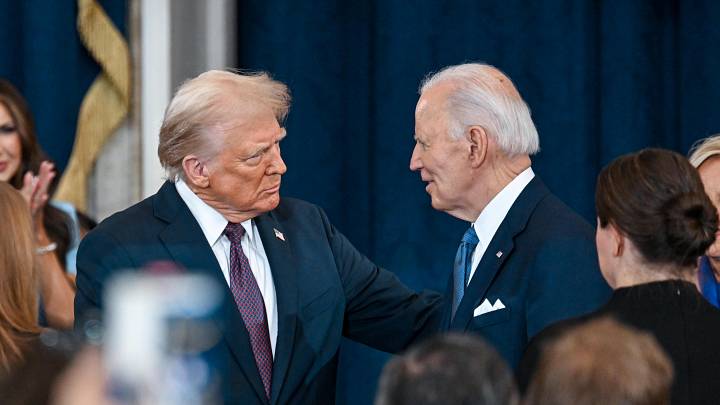
The contrast between the two responses highlighted two very different personalities and temperaments. In terms of entertainment, they also showcased two opposing views of late-night comedy and its place in American culture.
For decades, presidents and late-night hosts have traded jokes and criticism as part of the normal relationship between politics and entertainment. Hosts from Johnny Carson to David Letterman to Jimmy Kimmel have mocked presidents from both parties, while presidents themselves have either appeared on late-night shows or publicly acknowledged comedians, even when they were frequent targets of satire.
Biden’s message reflected that tradition. Even though Colbert regularly criticized his administration, public blunders, and age, Biden praised the host as an important entertainer and cultural voice whose work extended beyond political humor.
On the other side, Trump’s response continued a pattern that has defined much of his relationship with late-night television (or any critic, for that matter). Rather than treating satire as part of public life, Trump has repeatedly portrayed late-night hosts as political enemies, often focusing on ratings, personal insults, and the idea that entire shows or networks should disappear.
His posts suggested he sees Colbert’s departure as part of a larger campaign against late-night television itself, openly predicting more hosts to follow. And given the murky circumstances around the Late Show's end, it's not outside the realm of possibility that President Trump's hopes come true.
In the end, the reactions from Joe Biden and Donald Trump became their own reflection of the role Colbert occupied in American pop culture. One president responded to the finale of a major late-night institution with praise and respect. The other responded as though a political enemy had been defeated.
 Add us as a preferred source on Google