

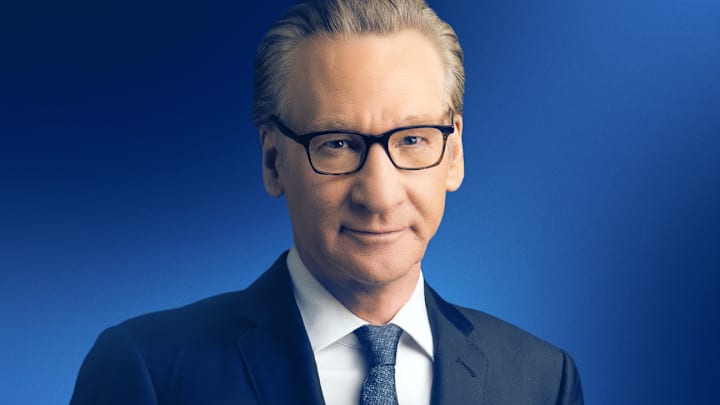
On the latest episode of Real Time, Bill Maher used his “New Rule” segment to take aim at what he sees as one of modern society’s most exhausting habits. And for a late-night TV host who has made a career out of sharing his opinions, Maher is strong against the need to have an opinion about everything and to broadcast it immediately.
Maher’s central argument is a relatively simple one. Not every thought requires a reaction, and not every disagreement deserves outrage. Yet, in today’s social media-driven culture, even the most trivial opinions can spiral into full-blown controversy. He pointed to a recent example involving actors Paul Mescal and Jessie Buckley, who faced backlash online after casually admitting they don’t like cats. For Maher, the absurdity speaks for itself.
That kind of overreaction, Maher argued, is fueled by a small but loud group of perpetually online users. He mocked the media tendency to amplify these moments with headlines like “Twitter reacts” or “backlash erupts,” suggesting that these phrases misrepresent reality. For Maher, it’s often just a handful of highly engaged users creating the appearance of widespread outrage.
It's a familiar concept in Maher’s commentary over the past few years. There's a clear reference to what the Real Time host calls the "woke mob" who use social media to hash out culture wars. However, the late-night star still struggles to understand why such "controversies" go mainstream. While platforms like X generate hundreds of millions of posts daily, Maher noted that the majority of Americans aren’t actually participating. Most people, he argued, are too busy with everyday life to engage in constant online debates.
To drive the point home, Maher introduced a tongue-in-cheek diagnosis: “terminally online disease,” or “TOD.” According to his definition, sufferers are consumed by the daily outrage cycle of scrolling endlessly, reacting to everything, and mistaking their constant engagement for meaningful contribution. Meanwhile, the rest of the population barely register these so-called controversies.
Ultimately, Maher’s message was less about any single controversy and more about perspective. The constant demand for “hot takes,” he argued, isn’t making society more informed, but making it more reactive. It's an interesting point for someone like Maher, who usually finds his name in headlines when he delivers a controversial opinion or goes against the grain.
The comedian tries to separate Real Time with Bill Maher from other panel shows like those on Fox News or CNN. Yet the same topics and people that Maher says most Americans ignore or don't follow wind up as discussion topics on Maher's show and podcast. Still, Maher sees himself as above the fray and in a position to diagnose "TOD," not suffer from it.
 Add us as a preferred source on Google